Opening or expanding a business is exciting — and the space it happens in can make or break daily operations. A commercial buildout turns a raw or outdated unit into a functional, branded, code-compliant space. Knowing how the process works helps you plan realistically and avoid the delays that eat into your opening timeline. Here’s how a typical commercial buildout comes together in Citrus County.
Step 1: Define your needs and lease terms
Before construction, get clear on how the space needs to function. Consider:
- How your team or customers will move through the space
- The number of offices, rooms, or fitting areas you need
- Electrical, data, and plumbing requirements for your operations
- Accessibility (ADA) requirements
- Any tenant improvement allowance in your lease
This is also the time to understand whether you’re working with a raw shell space or a second-generation space that was previously occupied — it significantly affects scope and cost.
Step 2: Design and space planning
Next comes the floor plan. Good space planning balances function, code, and budget. For an office buildout, that might mean balancing private offices against open collaboration areas. For a retail buildout, it’s about guiding customer flow and showcasing merchandise. Design decisions made now drive everything downstream, so it pays to get them right early.
Step 3: Permitting and approvals
Commercial work in Citrus County requires permits through the County Building Division, and commercial plan review is typically more involved than residential. Plans must demonstrate compliance with the Florida Building Code, accessibility standards, and fire and life-safety requirements.
Permitting is often where timelines slip, so we front-load it — preparing complete, accurate plans and coordinating with the county to keep the review moving. Our permit coordination handles this so you can focus on your business.
Step 4: Construction
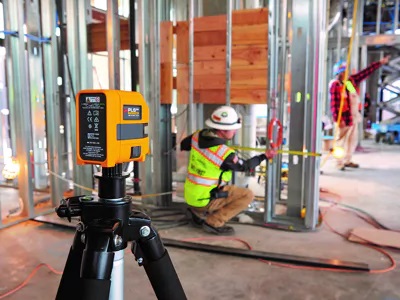
With permits in hand, the build begins. A typical sequence looks like this:
- Demolition of any existing partitions or finishes
- Rough-in of framing, electrical, plumbing, and mechanical systems
- Inspections at key stages as required by the county
- Drywall, ceilings, and finishes — flooring, paint, millwork
- Fixtures and systems — lighting, HVAC balancing, data, and signage
Throughout, coordinating trades in the right order is what keeps the project efficient. In a multi-tenant building, it also means scheduling disruptive work considerately around neighboring businesses.
Step 5: Final inspection and certificate of occupancy
Before you can open, the space must pass its final inspections and receive a certificate of occupancy (CO) from the county. The CO confirms the space is safe and code-compliant for its intended use. We coordinate the final inspections and address any items so you can get your doors open.
Tips for a smooth buildout
- Plan early. The more decisions made before construction, the fewer costly mid-project changes.
- Budget realistically. Older units often need electrical or accessibility upgrades — plan for them.
- Hire experienced commercial help. Commercial work has different codes and inspections than residential.
- Communicate with your landlord. Tenant improvement allowances and building rules shape the project.
A well-run commercial buildout is really about sequencing and coordination — getting design, permitting, and trades to line up so your space opens on time and works the way your business needs it to.
Planning a buildout in Citrus County? Get in touch and we’ll help you map out the scope, timeline, and budget from day one.